Low Acid Coffee Guide: Best Non-Acidic Brews
Low Acid Coffee: A Guide for Beginners
You love the rich aroma of your morning brew, but you dread the chest burn that arrives twenty minutes later. Many people assume they must abandon their favorite ritual entirely to find relief. You shouldn't have to choose between caffeine and comfort.
In practice, the bright, fruity "acid" you taste in a breakfast blend is completely different from the actual chemical pH acidity that triggers heartburn. Recognizing this physical distinction makes locating stomach-friendly coffee remarkably simple. Choosing beans designed for sensitive stomachs is the first step toward transforming a harsh daily routine into a smooth, pain-free morning.
Flavor vs. pH: Why Your 'Bright' Coffee is Hurting Your Stomach
Many assume a bitter brew triggers their heartburn, but the real culprit is often that crisp, fruity blend. Roasters use "acidity" to describe a tangy flavor—like a bite of a green apple—but your body only reacts to chemical acidity. When that familiar post-coffee burn hits, your sensitive stomach is battling the brew's actual chemical makeup, specifically the chlorogenic acid levels in coffee.
The pH scale measures how harsh a liquid is on your system. When comparing acidic vs. alkaline coffee beans, it helps to see where everyday drinks land:
- Orange Juice: ~3.0 pH (Highly acidic)
- Light Roast Coffee: ~4.7 pH (Moderately acidic)
- Filtered Water: 7.0 pH (Neutral)
Because your gut prefers that comfortable neutral zone, finding a pain-free cup means changing how the bean is prepared. The pH levels of different coffee roasts shift significantly when exposed to extended heat in the roaster.
The 'Toast' Secret: Why Darker Roasts are Kinder to Your Gut
Roasting time dictates a bean's final acidity. Think of coffee beans like bread in a toaster. The longer they stay hot, the more their internal chemistry changes. Extended heat actively destroys the natural stomach triggers hiding inside the raw bean. Because those harsh compounds burn away over time, a low acid medium- to dark- roast coffee offers a much gentler experience for your digestive system. Avoid lighter roasted coffees as much as possible.
Buying these darker beans is a fantastic first step toward a pain-free morning ritual. Yet, roast level is only half the equation for protecting a sensitive stomach. How water pulls flavor from those grounds also matters significantly.
Cold Brew and The Baking Soda Hack: Methods to Neutralize Acid at Home
Heat is a powerful extractor, meaning boiling water quickly pulls out both rich flavors and harsh stomach triggers. In the battle of cold brew vs. hot brew acidity, temperature is everything. Cold water acts selectively, slowly extracting smooth notes while leaving bitter compounds behind. Brewing low acid coffee at home is simple with this mason jar method:
- Mix 4oz of ground coffee with 32oz of water.
- Stir gently until all grounds are completely saturated.
- Rest the jar on your counter for 12-24 hours, or in the fridge for 18-48 hours, depending on taste.
- Pour the liquid through a fine strainer or coffee filter.
Alternatively, you can use one of our cold brew kits. These include a bag that holds the coffee and removes the straining step!
Sometimes you are stuck with a harsh office pot and cannot wait overnight. Adding a tiny pinch of baking soda to your mug acts as an alkaline buffer, nudging the pH closer to neutral water. While reducing coffee acidity with baking soda won't create a perfectly acid-free coffee, it instantly softens the bite.
Label Decoders: How to Pick the Best Low-Acid Brands at the Store
Staring at the supermarket aisle can be overwhelming when you just want a brew that won't cause heartburn. Finding the best low acid coffee in grocery stores starts with elevation. Altitude directly changes a bean's internal chemistry; high-mountain plants develop sharp, bright acids, while beans grown closer to sea level produce a smoother, gentler cup.
You do not need a geography degree to find naturally low acid coffee beans—just check the bag's origin. For a reliably stomach-friendly morning, stick to these four regions:
- Sumatra: Famous for earthy, rich flavors with minimal bite.
- Brazil: Lower altitudes create a naturally smooth, nutty profile.
- Mexico: Consistently produces mild, easy-to-drink blends.
- Guatemala: Known for deep cocoa notes that digest comfortably.
Your 3-Step Plan for a Heartburn-Free Morning
Instead of dreading your morning mug, you can now confidently build a stomach-friendly starter kit. Pick a dark roast from Sumatra (like Simba), which naturally makes the best coffee for acid reflux, and cold-brew those grounds overnight. By applying these practical GERD-friendly coffee drinking tips, you extract rich, comforting flavors while leaving harsh triggers behind, easily brewing low acid coffee for acid reflux right in your own kitchen.
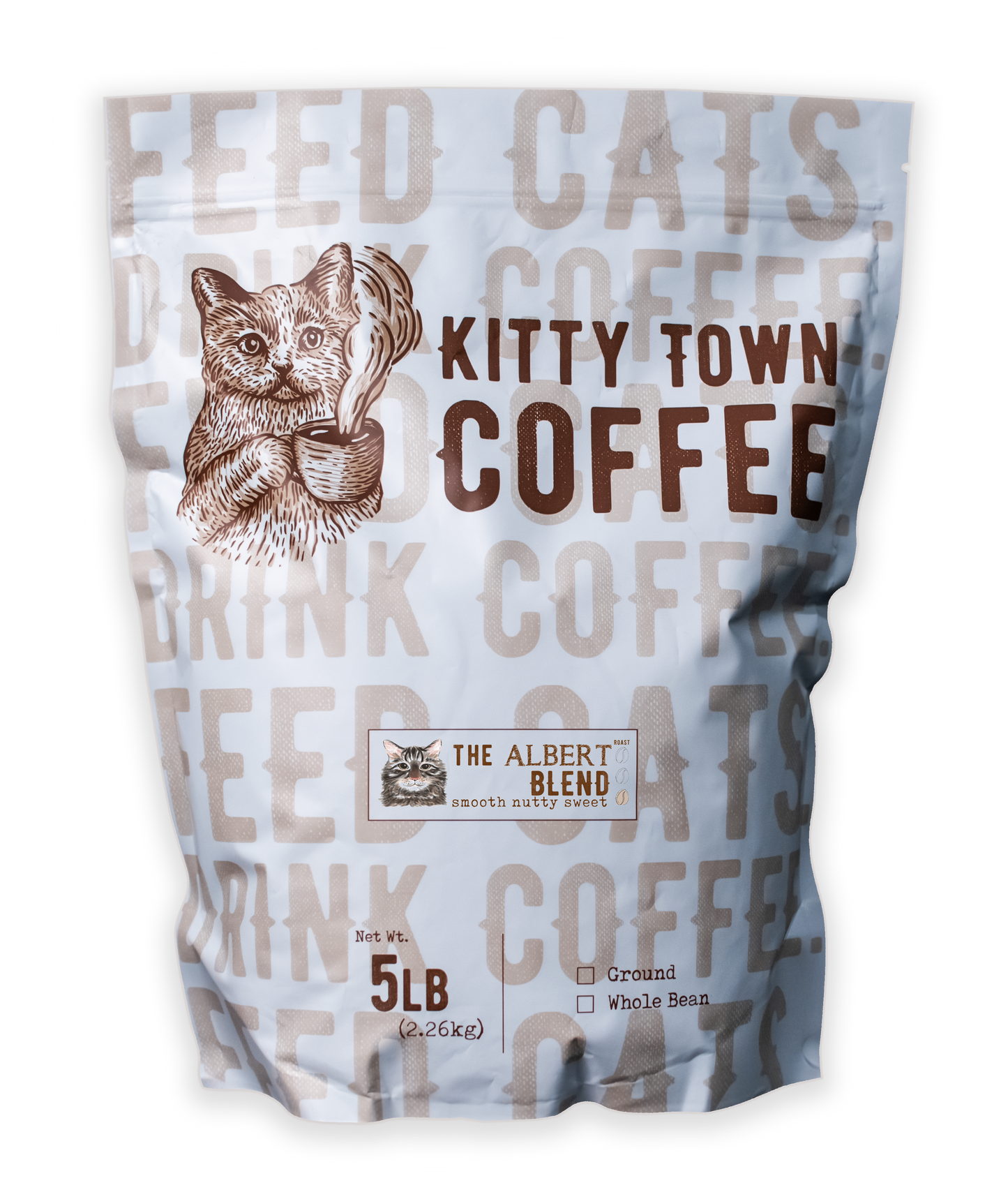
If the dark roast isn't right for you, we think that our Albert blend is a great starting point for a low-acid coffee that helps avoid heart burn.
This isn't just about avoiding discomfort; it is about reclaiming your cherished daily ritual. Welcome to the "No-Burn Morning," where you can finally sit back, relax, and experience the simple joy of pouring a second cup without physical regret.